The brain, spinal cord, and nerves work together to control every movement, sensation, and function in the human body. When any part of this complex nervous system is affected, it can lead to symptoms such as headaches, dizziness, numbness, weakness, seizures, memory problems, or difficulty walking. Early diagnosis is essential to prevent complications and begin the right treatment. Patients seeking expert neurological care often rely on the Department of Neurology in Greater Noida for accurate diagnosis and comprehensive management of neurological disorders.
For fast information, contact us on WhatsApp.
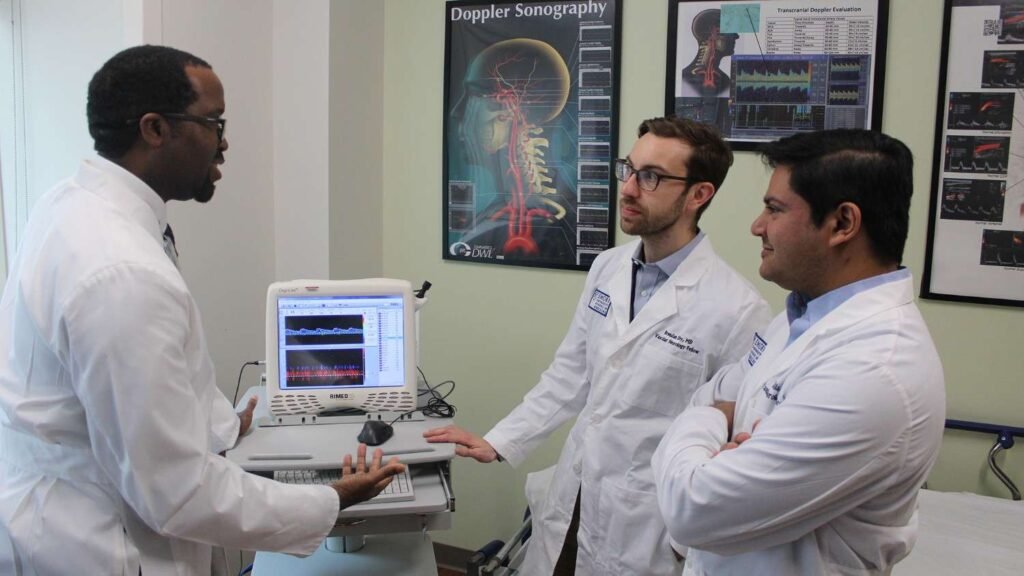
At Swastham Medicare, the Department of Neurology in Greater Noida is dedicated to evaluating and treating a wide range of brain, spinal cord, and nerve-related conditions. Using advanced diagnostic technologies, detailed neurological examinations, and evidence-based treatment approaches, the department focuses on identifying the root cause of neurological symptoms and creating personalized care plans for every patient.
Understanding Brain and Nerve Disorders
Neurological disorders affect the central and peripheral nervous systems. These conditions may develop due to injury, infection, genetics, autoimmune diseases, reduced blood supply, or age-related degeneration.
Patients visiting the Department of Neurology in Greater Noida may experience symptoms such as:
- Persistent headaches
- Sudden weakness in the arms or legs
- Tingling or numbness
- Difficulty speaking
- Loss of balance
- Tremors
- Memory loss
- Seizures
- Chronic nerve pain
These symptoms should never be ignored because they may indicate serious neurological conditions that require immediate medical attention.
Why Early Diagnosis Is Important
Many neurological diseases progress gradually, while others can develop suddenly and become medical emergencies. Conditions such as stroke, epilepsy, or brain infections require prompt diagnosis to reduce complications.
The Department of Neurology in Greater Noida emphasizes early evaluation because timely diagnosis allows doctors to begin treatment before permanent neurological damage occurs.
Early detection can improve treatment outcomes, preserve brain function, and support better long-term recovery.
Comprehensive Medical History Evaluation
Diagnosis begins with a detailed discussion about the patient’s symptoms and medical history. Specialists in the Department of Neurology in Greater Noida ask questions about:
- Duration of symptoms
- Frequency of episodes
- Family history of neurological disorders
- Previous illnesses
- Existing medical conditions
- Current medications
- Lifestyle factors
Understanding the patient’s medical background provides valuable information that helps narrow down possible neurological conditions.
Detailed Neurological Examination
After reviewing the medical history, neurologists perform a comprehensive neurological examination.
The Department of Neurology in Greater Noida carefully evaluates several important neurological functions, including:
Muscle Strength
Doctors assess muscle power to identify weakness caused by nerve or brain disorders.
Reflexes
Reflex testing helps evaluate communication between nerves and the spinal cord.
Sensory Function
The patient’s ability to feel touch, vibration, temperature, and pain is carefully examined.
Balance and Coordination
Walking patterns, posture, and coordination are evaluated to detect disorders affecting the brain or nervous system.
Cranial Nerve Examination
Neurologists also examine vision, hearing, facial muscles, swallowing, and eye movements to identify abnormalities.
These clinical findings help determine which additional diagnostic tests may be necessary.
Advanced Brain Imaging Techniques
Imaging studies play a significant role in diagnosing neurological disorders. The Department of Neurology in Greater Noida may recommend advanced imaging depending on the patient’s symptoms.
MRI Scan
Magnetic Resonance Imaging provides highly detailed images of the brain and spinal cord. It helps diagnose:
- Brain tumors
- Multiple sclerosis
- Stroke
- Brain infections
- Degenerative neurological diseases
CT Scan
CT scans are commonly used during emergencies to detect bleeding, fractures, or sudden brain injuries.
These imaging methods provide valuable information that supports accurate diagnosis and treatment planning.
Nerve Conduction Studies and Electromyography (EMG)
Patients experiencing numbness, tingling, muscle weakness, or nerve pain may require specialized nerve function tests.
The Department of Neurology in Greater Noida uses:
Nerve Conduction Studies (NCS)
These tests measure how quickly electrical signals travel through peripheral nerves.
Electromyography (EMG)
EMG evaluates muscle activity and helps diagnose disorders affecting muscles and nerves.
These investigations are especially useful in diagnosing neuropathy, nerve compression syndromes, and neuromuscular disorders.
Electroencephalogram (EEG) for Brain Activity
Patients with seizures, epilepsy, or unexplained episodes of unconsciousness often require an Electroencephalogram (EEG).
The Department of Neurology in Greater Noida uses EEG to record the brain’s electrical activity.
This test helps doctors:
- Diagnose epilepsy
- Identify seizure patterns
- Evaluate abnormal brain activity
- Monitor treatment effectiveness
EEG is painless, non-invasive, and provides valuable information for neurological diagnosis.
Laboratory Investigations
Blood tests often complement neurological evaluation.
Depending on the patient’s condition, the Department of Neurology in Greater Noida may recommend tests to evaluate:
- Vitamin deficiencies
- Blood sugar levels
- Autoimmune disorders
- Infections
- Thyroid function
- Electrolyte imbalance
These laboratory investigations help identify medical conditions that may contribute to neurological symptoms.
Personalized Diagnosis and Treatment Planning
No two neurological patients are exactly alike. The Department of Neurology in Greater Noida focuses on creating individualized diagnostic and treatment plans.
After reviewing clinical findings and investigation results, neurologists determine:
- The exact neurological condition
- Disease severity
- Underlying causes
- Most appropriate treatment options
Personalized care helps ensure that each patient receives treatment tailored to their specific medical needs.
Conditions Commonly Diagnosed
The Department of Neurology in Greater Noida evaluates numerous neurological disorders, including:
- Stroke
- Epilepsy
- Migraine
- Parkinson’s disease
- Multiple sclerosis
- Peripheral neuropathy
- Brain tumors
- Alzheimer’s disease
- Dementia
- Facial nerve disorders
- Sciatica
- Trigeminal neuralgia
- Vertigo
- Spinal cord disorders
Each condition requires specialized assessment and long-term monitoring.
Importance of Continuous Neurological Care
Many neurological disorders require ongoing monitoring even after diagnosis.
The Department of Neurology in Greater Noida emphasizes regular follow-up visits to:
- Monitor disease progression
- Adjust medications
- Assess treatment response
- Prevent complications
- Improve quality of life
Continuous neurological care allows patients to manage chronic conditions more effectively while maintaining independence and daily functioning.
Modern Technology and Patient-Centered Care
Accurate diagnosis depends not only on advanced technology but also on experienced clinical judgment.
At Swastham Medicare, the Department of Neurology in Greater Noida combines modern diagnostic equipment with patient-focused care. Every patient receives careful evaluation, detailed explanation of findings, and a treatment plan designed according to their individual needs.
This comprehensive approach supports better diagnosis, effective treatment, and improved long-term neurological health.
Conclusion
Brain and nerve disorders can significantly affect daily life if left untreated. Symptoms such as headaches, numbness, weakness, seizures, or balance problems should never be ignored. Early diagnosis remains one of the most important factors in successful neurological treatment.
The Department of Neurology in Greater Noida at Swastham Medicare offers comprehensive diagnostic services using advanced neurological examinations, MRI, CT scans, EEG, nerve conduction studies, EMG, and laboratory investigations. These tools help specialists accurately identify neurological disorders and create personalized treatment plans.
With experienced medical professionals, modern diagnostic technology, and patient-centered care, the Department of Neurology in Greater Noida is committed to helping patients receive timely diagnosis, effective treatment, and long-term neurological support. Seeking expert neurological evaluation at the earliest signs of symptoms can make a significant difference in preserving brain function, improving recovery, and enhancing overall quality of life.
For More Information, Visit Now: https://share.google/5wxtksgFw4IP0dLVv