
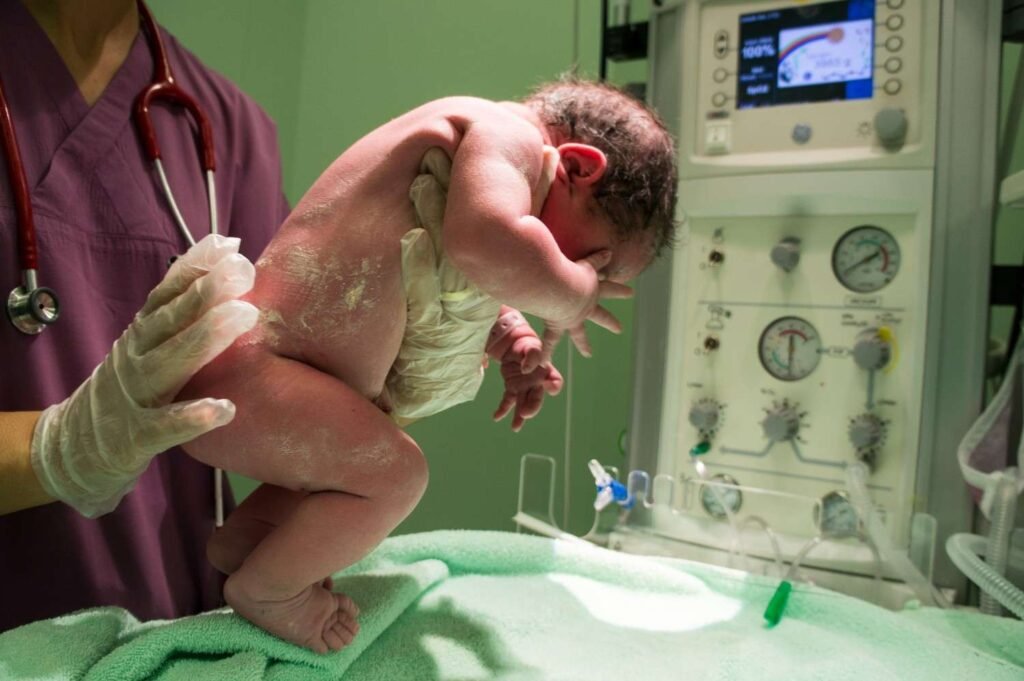
A Neonatal Intensive Care Unit (NICU) is a specialized hospital unit designed to provide advanced medical care to newborn babies who need close monitoring or treatment. A NICU in Noida Extension can be especially important for premature babies, newborns with low birth weight, breathing difficulties, infections, or other medical concerns.
Unlike a regular nursery, a NICU provides continuous monitoring and specialized equipment. It also has trained doctors and neonatal care staff who can respond quickly when a newborn needs medical attention.
For fast information, contact us on WhatsApp.
For parents, knowing what facilities are available can make the hospital experience less stressful. It also helps them understand how their baby will be monitored and cared for during the neonatal period.
Why Is a NICU Important for Newborn Babies?
Newborn babies, particularly premature babies, may need extra support during the first few days or weeks of life. Their organs may still be developing, which can make it difficult for them to regulate body temperature, maintain blood oxygen levels, or feed properly.
A well-equipped NICU in Noida Extension provides a controlled environment where healthcare professionals can closely observe these vital functions.
The level of care depends on the baby’s condition. Some newborns may only require monitoring, while others may need respiratory support, nutritional assistance, or treatment for infections.
Key Facilities Available in a NICU in Noida Extension
Modern neonatal intensive care requires specialized equipment and a carefully controlled environment. Depending on the hospital and the baby’s medical needs, a NICU may provide several important facilities.
1. Advanced Baby Monitoring
Continuous monitoring is one of the most important features of neonatal intensive care.
NICU monitoring systems can help healthcare professionals keep track of vital parameters such as:
- Heart rate
- Respiratory rate
- Blood oxygen saturation
- Body temperature
- Blood pressure
These measurements help the medical team identify changes in a baby’s condition at an early stage. Therefore, appropriate treatment can be provided without unnecessary delay.
2. Incubators and Warmers
Premature and low-birth-weight babies may have difficulty maintaining their body temperature. NICUs use specialized incubators and radiant warmers to provide a stable and controlled environment.
These systems help protect newborns from temperature fluctuations. They can also make it easier for the healthcare team to observe and care for the baby.
Temperature management is particularly important for premature babies because maintaining body warmth requires more energy.
3. Respiratory Support
Some newborns experience breathing difficulties after birth. This can happen because of prematurity, infection, respiratory conditions, or other medical problems.
Depending on the baby’s condition, neonatal care may include different forms of respiratory support. These can range from oxygen therapy to non-invasive respiratory assistance and, when medically necessary, mechanical ventilation.
The appropriate method is selected by the neonatal team based on the baby’s condition and response to treatment.
4. Phototherapy for Newborn Jaundice
Jaundice is common among newborn babies. It occurs when bilirubin levels become elevated, causing a yellowish appearance of the skin and eyes.
When treatment is required, phototherapy may be used. Special lights help the baby’s body process bilirubin more effectively.
A NICU in Noida Extension with neonatal monitoring facilities can closely observe bilirubin levels and the baby’s overall condition during treatment.
5. Feeding and Nutritional Support
Some premature or sick newborns may not be able to breastfeed effectively immediately after birth. They may need additional nutritional support while their feeding ability develops.
Depending on the baby’s needs, healthcare professionals may provide feeding through specialized methods. The neonatal team can also monitor feeding tolerance, weight changes, hydration, and nutritional requirements.
Breast milk is generally encouraged whenever possible because it provides important nutrients and immune-supporting components for newborns.
6. Infection Control and Sterile Care
Newborn babies, particularly premature infants, can be more vulnerable to infections. Therefore, infection prevention is a critical part of neonatal intensive care.
A NICU follows strict hygiene and infection-control practices. These may include hand hygiene, equipment sterilization, controlled access, appropriate protective measures, and careful handling of newborns.
Such precautions help create a safer environment for babies who require intensive medical attention.
7. Specialized Neonatal Medical Team
Equipment alone cannot provide complete neonatal care. Experienced healthcare professionals are equally important.
A neonatal care team may include pediatricians, neonatologists, nurses, respiratory care professionals, and other trained staff, depending on the hospital’s setup and the baby’s requirements.
The team monitors the newborn’s progress and adjusts treatment as needed. Parents can also receive guidance about feeding, hygiene, breastfeeding, and care after discharge.
Care for Premature and Low-Birth-Weight Babies
Premature babies may require additional support because their organs are still developing. Low birth weight can also increase the need for careful monitoring.
A NICU in Noida Extension can provide a controlled environment for babies who need extra medical support after birth.
The medical team may closely monitor body temperature, breathing, feeding, weight gain, blood sugar, oxygen levels, and other important parameters.
However, every baby is different. The treatment plan should always be based on the newborn’s individual medical condition.
Parent Involvement During NICU Care
Having a baby admitted to the NICU can be emotionally difficult for parents. However, parents remain an important part of the baby’s care journey.
Depending on the baby’s medical condition and hospital protocols, parents may receive opportunities for supervised interaction and skin-to-skin contact, also known as kangaroo care.
Parents can also support their baby by providing expressed breast milk when advised and following the neonatal team’s instructions.
Regular communication with the healthcare team can help parents understand their baby’s progress and participate more confidently in the care process.
What Should Parents Look for in a NICU?
Choosing neonatal care is an important decision. Parents should consider more than just the availability of advanced equipment.
Before selecting a NICU in Noida Extension, it is useful to understand:
- Whether trained neonatal specialists are available
- What level of neonatal care the unit provides
- Whether respiratory support is available
- How newborns are continuously monitored
- What infection-control practices are followed
- How parents are involved in the care process
- Whether emergency support is available when required
- How the hospital manages premature and low-birth-weight babies
Parents should also discuss their baby’s specific medical requirements with the pediatric or neonatal care team.
Why Choose Swastham Medicare for Neonatal Care?
Swastham Medicare focuses on providing a supportive healthcare environment where newborns can receive appropriate medical attention based on their individual needs.
The neonatal care approach involves careful monitoring, timely medical assessment, nutritional support, temperature management, respiratory care when required, and infection-control measures.
For parents looking for a NICU in Noida Extension, understanding the available facilities and level of neonatal support is an important first step. The right care environment can help doctors monitor a newborn closely and respond appropriately to changing medical needs.
Conclusion
A NICU plays an important role in caring for newborns who require specialized medical attention. Facilities such as continuous monitoring, incubators, respiratory support, phototherapy, nutritional assistance, infection-control measures, and trained neonatal staff can support babies during a vulnerable stage of life.
If your newborn requires intensive medical care, choosing a properly equipped NICU in Noida Extension can provide access to specialized monitoring and treatment. However, the right facility depends on the baby’s condition, gestational age, and specific medical needs.
Swastham Medicare aims to support newborns and their families with attentive neonatal care and a patient-focused approach. Parents should always discuss their baby’s condition with a qualified pediatrician or neonatologist to understand the most appropriate treatment and level of care.
For More Information, Visit Now: https://share.google/5wxtksgFw4IP0dLVv